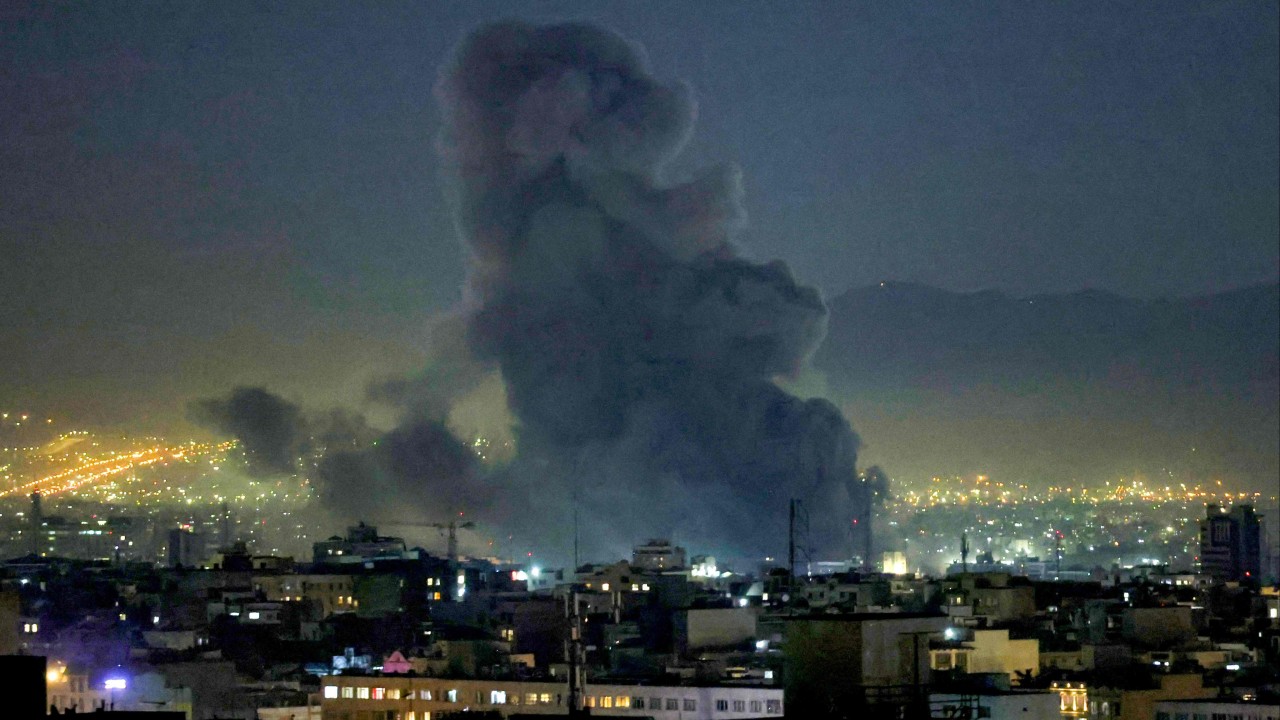
Geopolitics isn't just a headline on a news ticker. For India, it’s a math problem that usually ends in a headache. When tensions flare up between Iran and Israel, the shockwaves don't stop at the Persian Gulf. They land right in the middle of your monthly grocery bill and the country’s national balance sheet. Emkay Global Financial Services recently flagged that a full-scale Iran war represents a massive macro risk for India, specifically targeting inflation and the current account deficit. They aren't exaggerating.
If you think a conflict thousands of miles away doesn't affect the price of your commute or the stability of the Rupee, you’re missing the bigger picture. India imports over 80% of its crude oil. When the Middle East gets shaky, oil markets don't just react—they panic.
The Oil Trap and Your Wallet
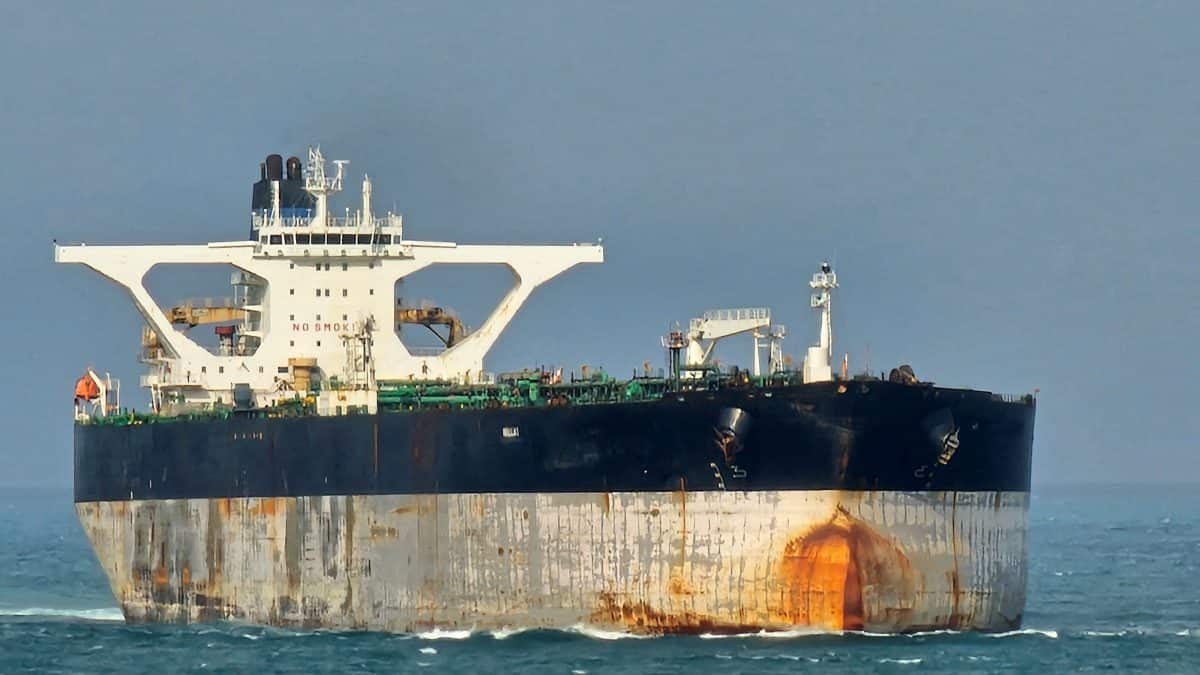
Everything starts with Brent crude. When Iran is involved, we aren't just talking about a minor supply dip. We're talking about the Strait of Hormuz. About 20% of the world’s total oil consumption passes through that narrow waterway. If that gets choked off, oil prices won't just "rise." They'll rocket.
Emkay’s analysis suggests that for every $10 jump in oil prices, India’s Consumer Price Index (CPI) inflation climbs by roughly 30 to 40 basis points. That sounds like a small number until you realize how precarious India’s inflation targets already are. The Reserve Bank of India (RBI) fights tooth and nail to keep inflation around 4%. A sustained conflict could easily push that past the comfort zone, forcing the central bank to keep interest rates high. That means your home loans and car loans stay expensive for longer.
It's a domino effect. Higher oil prices lead to higher transport costs. Higher transport costs mean your tomatoes, grains, and even your Amazon deliveries cost more. It’s a tax on every single citizen that nobody voted for.
The Current Account Deficit Nightmare
The Current Account Deficit (CAD) is basically the gap between what India spends on imports and what it earns from exports. High oil prices blow this gap wide open. When we have to shell out more US Dollars to buy the same amount of oil, the Rupee feels the heat.
Emkay points out that a $10 increase in the price of a barrel of oil can widen the CAD by about 0.5% of the GDP. If oil hits $100 or $110, we're looking at a serious currency depreciation risk. A weaker Rupee makes everything else we import—electronics, machinery, vegetable oils—even pricier. It’s a vicious cycle. The "twin deficit" problem (fiscal and current account) starts looking very real, very fast.
We also have to look at exports. Europe is a major market for Indian goods. If an Iran-Israel war escalates, shipping routes become dangerous or blocked. Ships have to take the long way around Africa. That adds weeks to delivery times and adds massive surcharges to freight. Suddenly, Indian textiles or engineering goods aren't competitive anymore because the shipping costs more than the product itself.
Trade Disruptions Beyond Oil
Iran isn't just an oil story for India. It’s a strategic gateway. India has invested heavily in the Chabahar Port to bypass Pakistan and reach Central Asia. A war puts that entire multi-billion dollar strategic play on ice.
- Chabahar Port: This is India's link to the International North-South Transport Corridor (INSTC). Conflict makes this route a no-go zone.
- Agricultural Exports: India exports a huge amount of basmati rice and tea to Iran. Payments are already tricky due to existing sanctions. A war could completely halt these exports, leaving Indian farmers and exporters with massive inventories and zero cash flow.
Why the Market Is Rattled
Investors hate uncertainty more than they hate bad news. When Emkay talks about macro risks, they're signaling to FIIs (Foreign Institutional Investors) that India’s "Goldilocks" economy might be hitting a wall. If the CAD widens and inflation stays sticky, the Rupee becomes a risky bet.
We've seen this play out before. Every time there’s a flare-up in the Middle East, we see a capital flight from emerging markets like India back to "safe havens" like US Treasury bonds or gold. This puts even more pressure on the Indian stock market. You might see the Sensex and Nifty drop not because Indian companies are doing poorly, but because the global macro environment has turned toxic.
The Fertilizer and Food Security Link
This is the part most people overlook. India is a massive importer of fertilizers and the raw materials used to make them. The Middle East is a primary source. If the regional logistics break down, fertilizer prices spike.
When fertilizers get expensive, one of two things happens. Either the government increases subsidies, which hurts the fiscal deficit, or farmers pay more, which eventually leads to higher food prices. Neither is a win. Food security is a sensitive topic in India. Any threat to the supply chain of essential nutrients for our crops is a direct threat to social stability.
What You Should Actually Do
Stop looking at the stock market every ten minutes and start looking at the oil charts. If you see Brent crude stabilizing despite the rhetoric, the "war premium" is being managed. But if it breaks past $95, it’s time to get defensive.
- Watch the RBI: If they pivot to a more hawkish tone, they’re worried about imported inflation. High interest rates are here to stay in that scenario.
- Diversify into Gold: Gold usually thrives when the Middle East is in chaos. It acts as a hedge against both a falling Rupee and global instability.
- Monitor Logistics Stocks: Shipping and freight companies might see margin pressure, but they also hike rates during crises. Keep an eye on how they handle the Red Sea and Gulf routes.
The Indian economy is resilient, but it isn't bulletproof. We’ve built a great buffer with our foreign exchange reserves, which currently sit at healthy levels. These reserves give the RBI some room to defend the Rupee, but they aren't a permanent solution to a long-term war. The real test will be how long the supply chains can hold out before the costs become unbearable for the average consumer. Don't wait for the petrol pumps to change their signs to realize the risk is real.