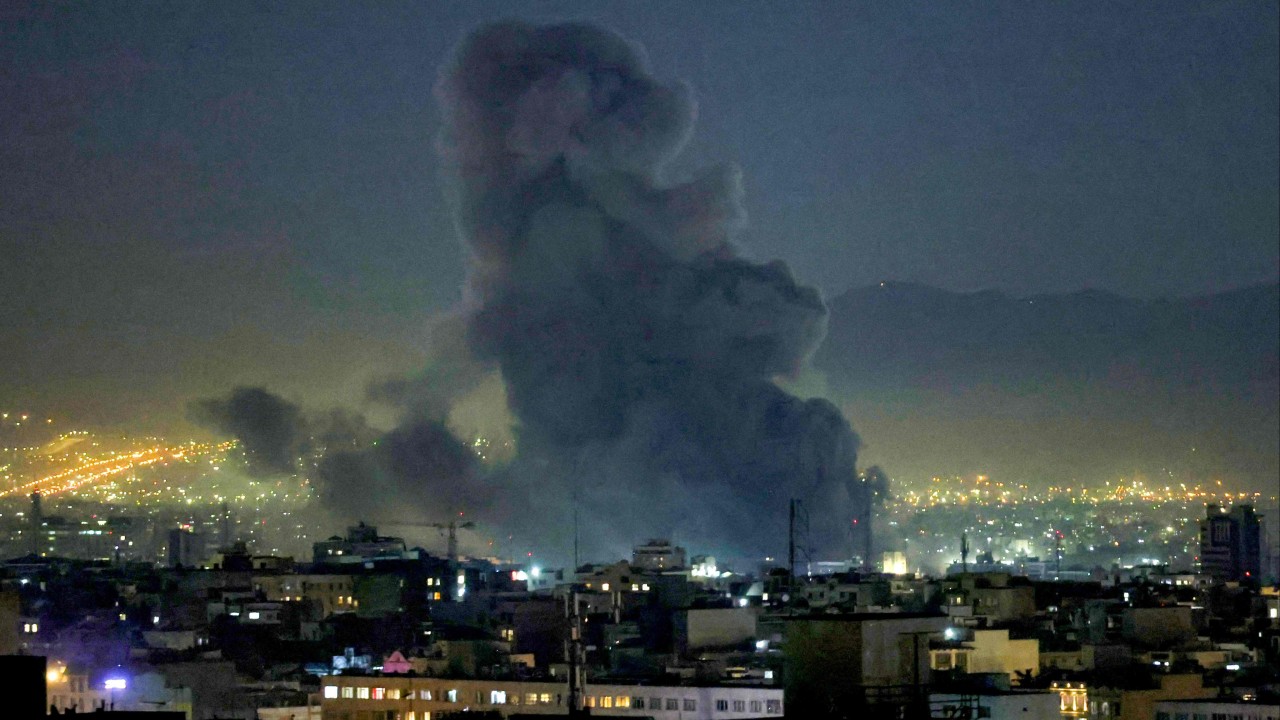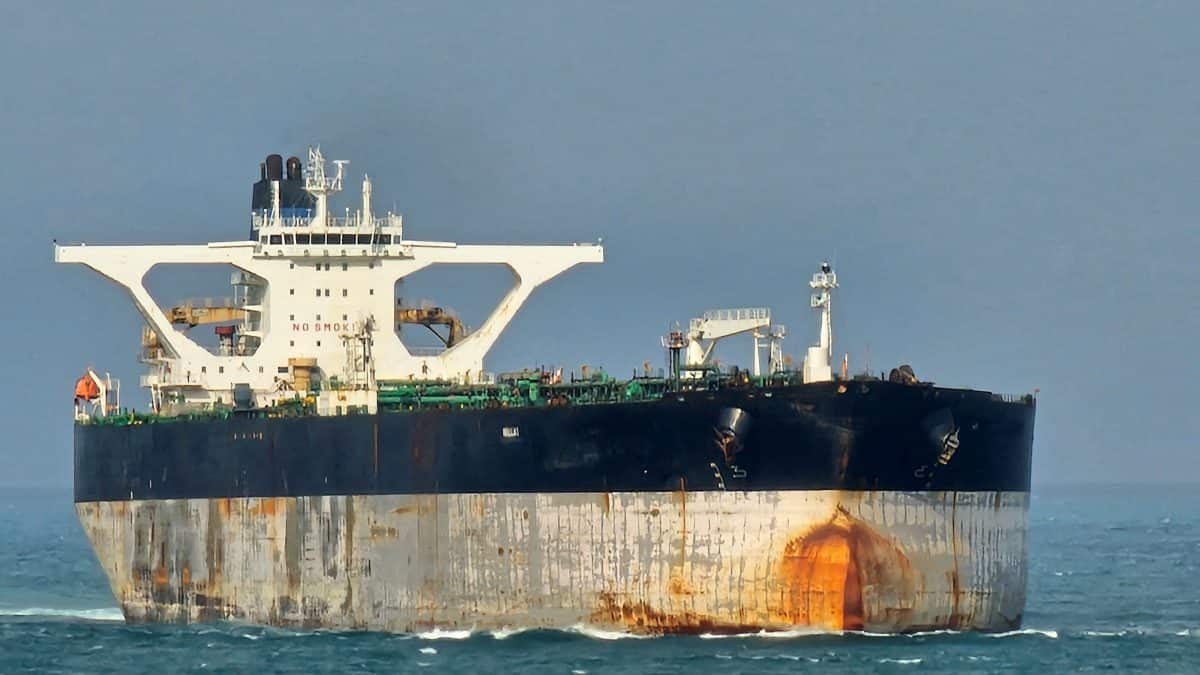
The headlines are predictable. A tanker takes a hit. An Indian national loses their life. The media pivots immediately to the "Iran War" narrative, painting a picture of a sudden, chaotic escalation in the Gulf of Oman. They want you to believe this is a geopolitical anomaly—a tragic "leak" in the vessel of global stability.
They are lying to you.
The death of a sailor isn't a glitch in the system; it is a priced-in variable of the global shipping industry. We are not watching the start of a war. We are watching the messy, violent renegotiation of maritime insurance premiums and the total collapse of the "Flag of Convenience" myth.
If you’re mourning the "safety of the seas," you’re about thirty years too late. The ocean stopped being safe the moment we decided that a ship owned by a Greek billionaire, managed by a Singaporean firm, and crewed by Indian and Filipino nationals should fly the flag of Liberia to avoid taxes.
The Indian Crew is the Features, Not the Bug
The competitor articles love to highlight the nationality of the victims. "Indian national killed." It pulls at the heartstrings of a massive demographic. But let’s talk about the math that the shipping giants don't want to discuss.
India provides roughly 10% of the world’s seafarers. Why? Because they are highly skilled, English-speaking, and—most importantly—willing to work in "High Risk Areas" (HRA) for a fraction of what a European crew would demand in hazard pay. When a tanker enters the crosshairs of a regional conflict, the board of directors in London or Geneva isn't thinking about "Indian-Omani relations." They are looking at the $War Risk Surcharges$.
I’ve seen shipping conglomerates calculate the "Expected Value of Loss" (EVL) on a napkin. They know a certain percentage of hulls will be breached. They know a certain number of lives will be lost. As long as the payout from the hull and machinery (H&M) insurance exceeds the operational downtime, the ship stays in the water.
We call it a "tragedy" in the news. On the balance sheet, it’s a "cost of doing business." To suggest otherwise is a "lazy consensus" that ignores how capital actually moves across the water.
The Myth of the "Innocent Tanker"
The media frames these attacks as if a random, peaceful vessel was minding its own business when a "rogue actor" decided to cause chaos. This ignores the reality of AIS (Automatic Identification System) manipulation.
Modern maritime warfare is 90% data spoofing and 10% actual kinetic impact. Vessels frequently "go dark," turning off their transponders or broadcasting fake coordinates to hide their destination. This isn't just to avoid pirates; it’s to circumvent sanctions and hide the true origin of the cargo.
When a ship gets hit, the "Why?" is usually buried in the ownership structure. Is the vessel linked to Israeli interests? Is it carrying Russian oil disguised as Malaysian crude? The "Indian national" killed in these strikes is often a pawn in a shell game involving five different countries.
If we want to stop the killing, we don't need more destroyers in the Gulf. We need to end the anonymity of maritime ownership. But we won't. Because the very people screaming for "security" are the ones profiting from the lack of transparency.
The Insurance Racket is the Real War
The "Iran War" isn't being fought over territory. It’s being fought over the Joint War Committee (JWC) listings.
The JWC, comprising representatives from the Lloyd’s and IUA company markets, decides which areas are "listed." Once an area is listed, every ship entering it has to pay an additional premium. These premiums can jump from 0.01% of the ship's value to 1% in a single afternoon. On a $100 million tanker, that’s a million-dollar "tax" per transit.
- Step 1: Regional tension flares.
- Step 2: A ship (often under-protected) is hit.
- Step 3: Insurance premiums skyrocket.
- Step 4: The shipping lines pass that cost to you, the consumer.
The death of a sailor is the "proof of risk" required to keep these rates high. It is the blood-oil that keeps the financial machinery of London and Dubai lubricated. If the seas were actually safe, the insurance industry would lose billions in "war risk" revenue. Think about that the next time you see a "Breaking News" alert about a tanker fire.
Stop Asking About "Retaliation"
The "People Also Ask" section of your brain is likely screaming: Will India retaliate? Will the US Navy intervene?
You’re asking the wrong question.
The US Navy’s "Operation Prosperity Guardian" is a tactical failure by design. You cannot protect 20,000 ships a year with a handful of frigates against $2,000 drones and $50,000 missiles. The math doesn't work. The cost-to-kill ratio is inverted. We are spending $2 million on an interceptor missile to stop a "lawnmower with wings."
The real question is: Why are we still using human crews in high-risk zones?
We have the technology for semi-autonomous shipping. We have the capability to run these "floating bombs" through the Strait of Hormuz with a skeleton crew or via remote operation. But we don't. Why? Because a human crew is a liability that provides political leverage. A sunken autonomous ship is a financial loss; a dead sailor is a "casus belli."
The industry uses human lives as a tripwire to force government intervention. It is a massive subsidy where the public pays for the military protection of private corporate assets.
The Brutal Reality of the Seafarer
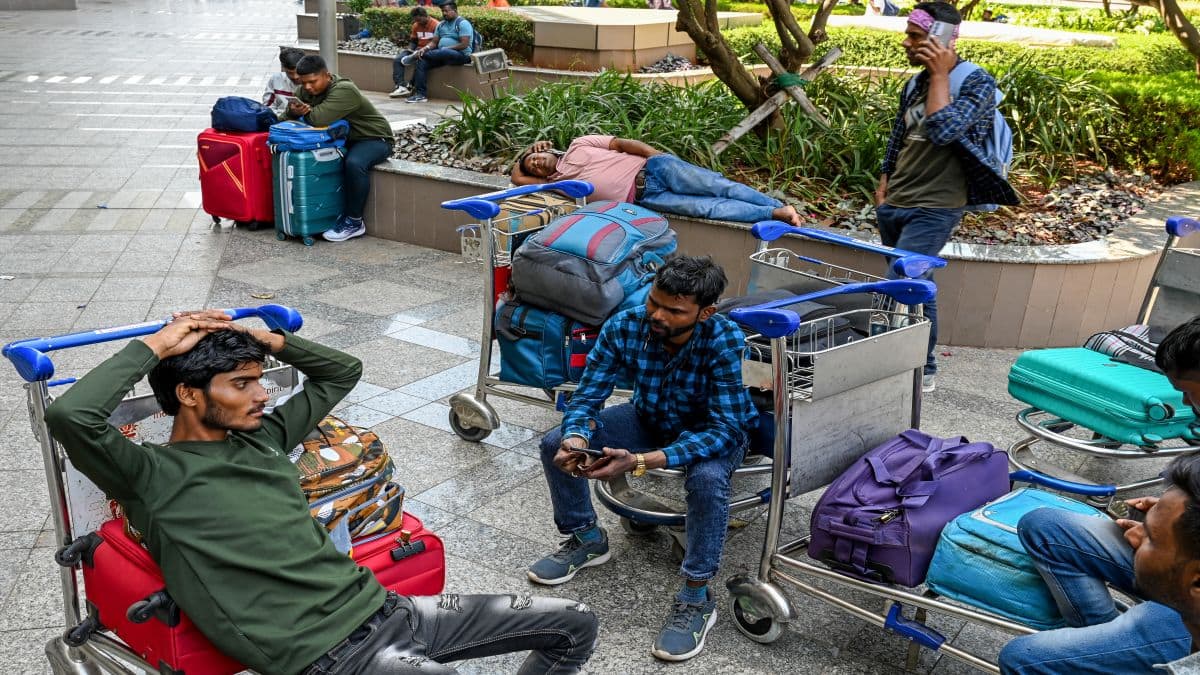
I’ve spent time with these crews. They aren't "national heroes" or "geopolitical players." They are men from Kerala and Punjab who are sending money home to build houses. They are trapped in a system of contractual coercion.
When a ship enters a war zone, the crew is supposed to have the "right to refuse" to sail. In reality, refusing to sail often means being blacklisted by the manning agency. It means the end of a career. So they sail. They stay in their cabins. They hope the "luck of the draw" doesn't land a drone in their engine room.
The competitor article calls this an "attack on an oil tanker." I call it a failure of the global labor market. We have commodified human life to the point where it is cheaper to let a sailor die than to fix the broken "Flag of Convenience" system.
Your Move
If you want to actually change the "landscape" (to use a word I hate), stop calling for more bombs.
- Demand Transparency: Force every ship docking in your country to reveal its ultimate beneficial owner (UBO). No more shell companies in the Marshall Islands.
- Tax the Premiums: If insurance companies are going to profit from "war risks," those profits should be taxed to fund the search and rescue and the families of the victims.
- End the Subsidy: If a private company wants to sail through a war zone to maximize profit, they should pay for their own private security, not rely on the taxpayer-funded Navy.
The Indian sailor didn't die because of "Iran." He died because the global economy requires a steady supply of cheap, unprotected labor to keep the price of your gasoline from rising by five cents.
We are all complicit in the "racket." The fire on the horizon isn't a war; it’s a signal fire for a system that is working exactly as intended.
The ocean doesn't care about your borders, and the billionaires who own the cargo don't care about the flags. They care about the float. And as long as the insurance payout is higher than the cost of a life, the tankers will keep burning.
Get used to the smoke.