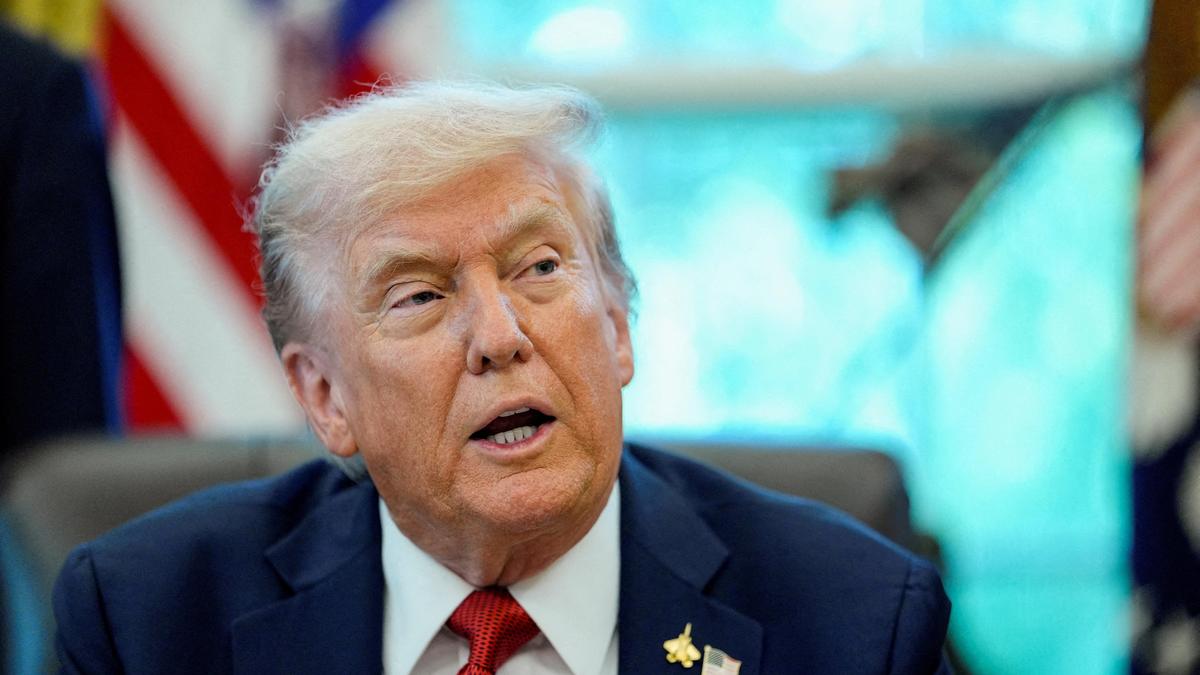
Gas prices just hit a three-year high and the White House is scrambling. On Wednesday, President Trump issued a 60-day waiver for the Jones Act, a century-old law that usually keeps a tight grip on how goods move between American ports. If you’ve noticed the numbers at the pump climbing 80 to 90 cents in a single month, you’re seeing why this happened. The U.S.-Israeli conflict with Iran—specifically "Operation Epic Fury"—has turned the global oil market into a pressure cooker.
By temporarily killing this rule, the administration is betting that more ships mean lower costs. But will it actually work? Most experts say the math doesn't quite add up to a massive win for your wallet. Recently making headlines lately: Finland Is Not Keeping Calm And The West Is Misreading The Silence.
The 1920 law that's suddenly a problem
The Jones Act isn't some obscure tax loophole. It’s the Merchant Marine Act of 1920, and it’s about as protectionist as it gets. Under this law, if you want to ship oil from a refinery in Texas to a port in New Jersey, that ship must be:
- Built in the United States.
- Owned by American citizens.
- Crewed by Americans.
- Flying the U.S. flag.
It was designed to make sure we had a strong domestic fleet after World War I. Fast forward to 2026, and it’s mostly just a bottleneck. There are fewer than 100 ships in the world that actually meet these criteria. When a crisis hits and we need to move fuel fast, we simply run out of legal boats. Further information into this topic are covered by NBC News.
Why the waiver is happening now
This move is a direct response to the chaos in the Middle East. Since the start of the war on February 28, the Strait of Hormuz has become a no-go zone for much of the world's energy supply. Iran has basically choked off a chokepoint that handles 20% of global oil.
White House Press Secretary Karoline Leavitt was blunt about it. She called the waiver a step to "mitigate short-term disruptions." The logic is simple: by letting foreign-flagged ships carry crude, natural gas, and even fertilizer between U.S. ports, we expand our "shipping pipe" overnight. This is especially critical because the administration plans to dump 172 million barrels from the Strategic Petroleum Reserve (SPR) starting this week. Without this waiver, we wouldn't even have enough American ships to move that extra oil to the refineries that need it.
The cold reality of your gas bill
I’ll be honest with you: don’t expect a 50-cent drop at the pump tomorrow. The American Maritime Partnership, which lobbies for U.S. shipping, claims the total impact of domestic shipping costs on a gallon of gas is less than a penny.
They’ve got a point. Gas prices are mostly driven by the global price of a barrel of crude—which is currently dancing around $100—and the cost of refining that crude into fuel.
- Global Crude Costs: 40% to 50% of what you pay.
- Refining Margins: Massive right now due to limited capacity.
- Taxes: Constant and high.
- Shipping: A tiny fraction of the total.
The waiver helps with logistics. It prevents a total supply "blackout" in places like the Northeast that rely on shipments from the Gulf Coast. It keeps the gears turning, but it doesn't magically make the oil cheaper to buy from the ground.
Winners and losers in the 60 day window
American maritime unions are predictably furious. they argue this "emergency" is just an excuse to sideline American workers and let foreign operators profit. On the flip side, farmers are breathing a sigh of relief. The waiver includes fertilizer, which has seen prices skyrocket just as spring planting season kicks off.
We’re also seeing a rare "all of the above" approach from the Treasury. Along with the Jones Act waiver, they’ve eased some sanctions on Venezuelan oil to boost global supply. It’s a pragmatic, if messy, attempt to keep the economy from stalling out while the military focus remains on Iran.
What you should do next
If you're trying to hedge against these costs, the 60-day window is your benchmark.
- Watch the SPR release: If those 172 million barrels hit the market and prices don't budge by April, the Jones Act waiver was likely too little, too late.
- Track the Strait of Hormuz: As long as that passage is blocked, the "transportation" fix is just a band-aid on a gushing wound.
- Plan for fertilizer hikes: If you’re in the ag sector, use this 60-day window to lock in shipments while foreign vessels are legally allowed to help move the load.
The administration is trying to grease the wheels of a rusted system. It’s a necessary move for national security, but for the average person filling up a truck, the relief will be a whisper, not a shout.