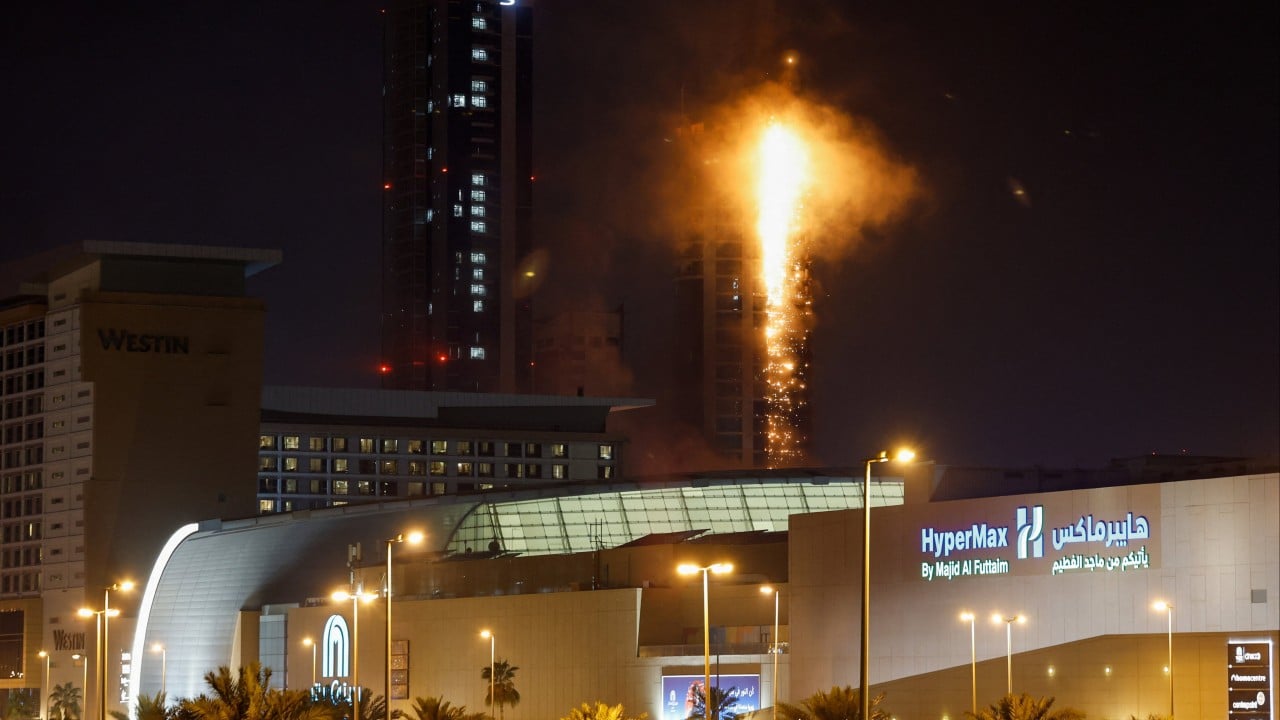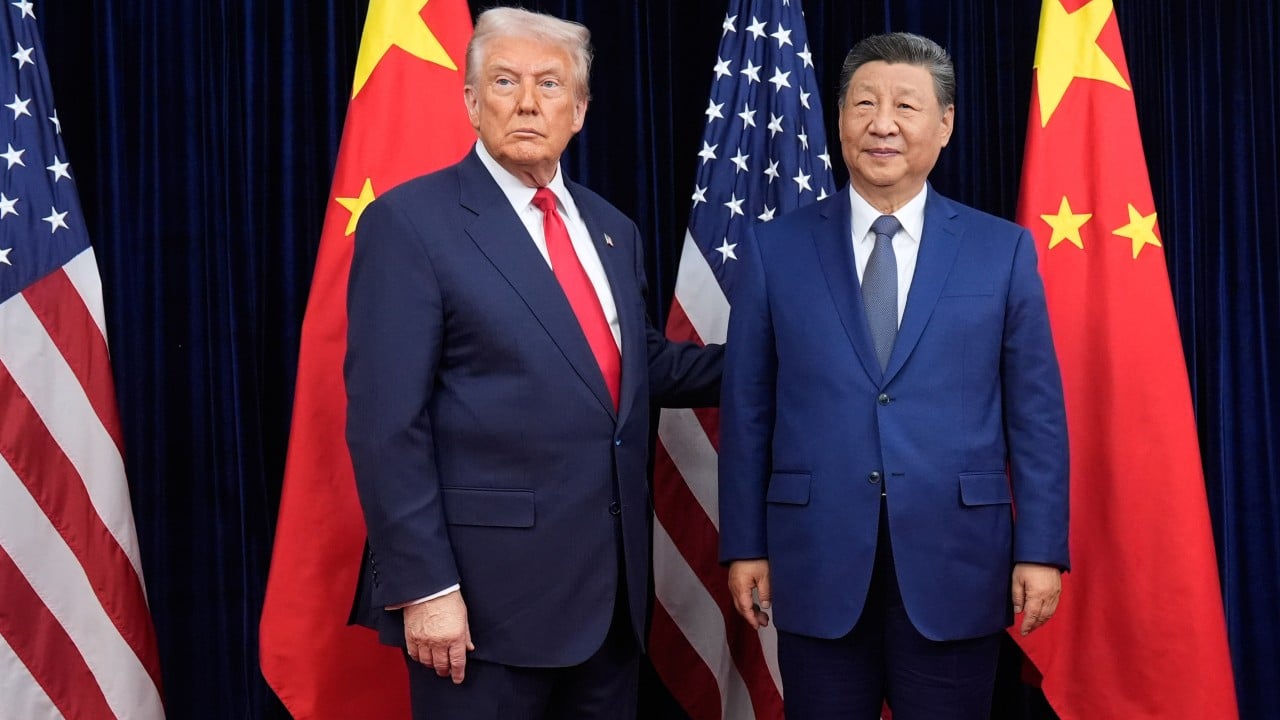
The Middle East is currently a chaotic mess of smoke and missile trails, but don't expect Donald Trump to unpack his bags. While American and Israeli jets are still hitting targets across Iran following the death of Supreme Leader Ali Khamenei, the White House is sending a very different signal toward the Pacific. The high-stakes visit to meet Xi Jinping isn't just still on—it's actually more important now than it was a week ago.
Most people think a war in one part of the world means you have to cancel plans in another. That's old-school diplomacy. Trump's "Operation Epic Fury" against Iran isn't an isolated event; it's a massive piece of leverage he intends to bring to the table in Beijing. If you're wondering whether the smoke over Tehran will derail the April summit, you're looking at the wrong map.
The Road to the Pacific Goes Through Tehran
For years, the foreign policy establishment treated Iran and China as two separate folders on a desk. Trump doesn't see it that way. By decisively targeting Iran’s nuclear infrastructure and decapitating its leadership, the administration has sent a visceral message to Beijing. China is Iran’s biggest customer and its primary economic lifeline, buying 10-15% of its seaborne oil from the regime.
When Trump meets Xi, he isn't going as a distracted leader. He's going as a president who just dismantled one of China's most important regional partners while the world watched.
- Energy Security: China is terrified of energy disruptions. With the Strait of Hormuz effectively a war zone and the IRGC-affiliated news agencies threatening total closure, Beijing’s economy is twitchy.
- The Power Gap: China has spent the last year trying to play the role of regional mediator. The U.S.-Israeli strikes proved that when things get real, Beijing has very few tools to protect its "strategic partners."
- Leverage: Trump now has the ultimate "what if" scenario to use during trade negotiations. He's shown he's willing to use force to protect U.S. interests, a fact that won't be lost on Xi when they discuss Taiwan or the South China Sea.
Xi Jinpings Tricky Balancing Act
Beijing is currently stuck. On Sunday, Foreign Minister Wang Yi called the bombing campaign "unacceptable" and condemned the killing of a sovereign leader. That’s the standard rhetoric. But behind the scenes, the Chinese Communist Party is recalculating. They don't want a pro-Western government in Tehran any more than they want a nuclear-armed one.
An Iran in total chaos is a nightmare for China's Belt and Road Initiative. If the conflict drags on, China loses its primary source of cheap, sanctioned oil. Xi needs this meeting with Trump to ensure that whatever comes next in Iran doesn't completely wreck the Chinese economy.
Trump knows this. He isn't worried about the Iran conflict "distracting" him from China; he knows the Iran conflict makes China more likely to bend on trade and fentanyl issues. It’s a brutal form of diplomacy, but it's the one currently in play.
Why the April Summit is Still the Main Event
The media is obsessed with the tactical details of the strikes—the drones at Camp Arifjan, the missiles toward Cyprus, the blood on the streets of Tehran. But the real shift is happening in the global power structure.
- Nuclear Deterrence: Trump told The New York Times he wants China included in any new nuclear arms pact. With the New START treaty expiring and Iran's program in literal ruins, Trump has a fresh opening to demand China sit at the "big boy" table for arms control.
- Trade and Tariffs: While the world watches the Middle East, the U.S. is still pushing for a critical minerals trading bloc to bypass China. The April visit is about setting the terms for the next decade of trade.
- The Peace President Persona: Trump campaigned on being the guy who ends wars. He’s currently fighting one, but he's already talking about "easier" negotiations with a new Iranian leadership. He wants to walk into Beijing, settle the "China problem," and claim a double victory for his legacy.
Moving Past the Chaos
If you're waiting for a "stable" time for a meeting between the world's two largest superpowers, you'll be waiting forever. The current violence in the Middle East is the background noise of 2026. It doesn't change the fact that the U.S. and China are the only two countries that truly move the needle on the global stage.
Don't buy the narrative that Trump is "overwhelmed" by the Iran crisis. He’s using the crisis to shorten his to-do list. When he lands in Beijing this April, the Iranian regime will be a ghost of its former self, and Xi Jinping will be facing a U.S. President who has proven he doesn't care about the "rules" of the old world order.
Keep an eye on the oil prices and the movements in the South China Sea over the next three weeks. If China stays relatively quiet despite the rhetoric, it's a sign they've accepted the new reality. They need the April summit to go well because, right now, they have a lot more to lose than Washington does.
Watch the State Department’s flight manifest. As long as those planes are being prepped for the Pacific, the war in Iran is just the opening act for the real show in Beijing.
Next Step: Monitor the daily briefings from the Ministry of Foreign Affairs in Beijing. If they start softening their "unacceptable" rhetoric in exchange for talk about "energy stability," you'll know the deal-making has already begun.